Skills not bills
Exchanging your time and skills with your friends, neighbours and family
Written by the Debt Freedom team 4 min read
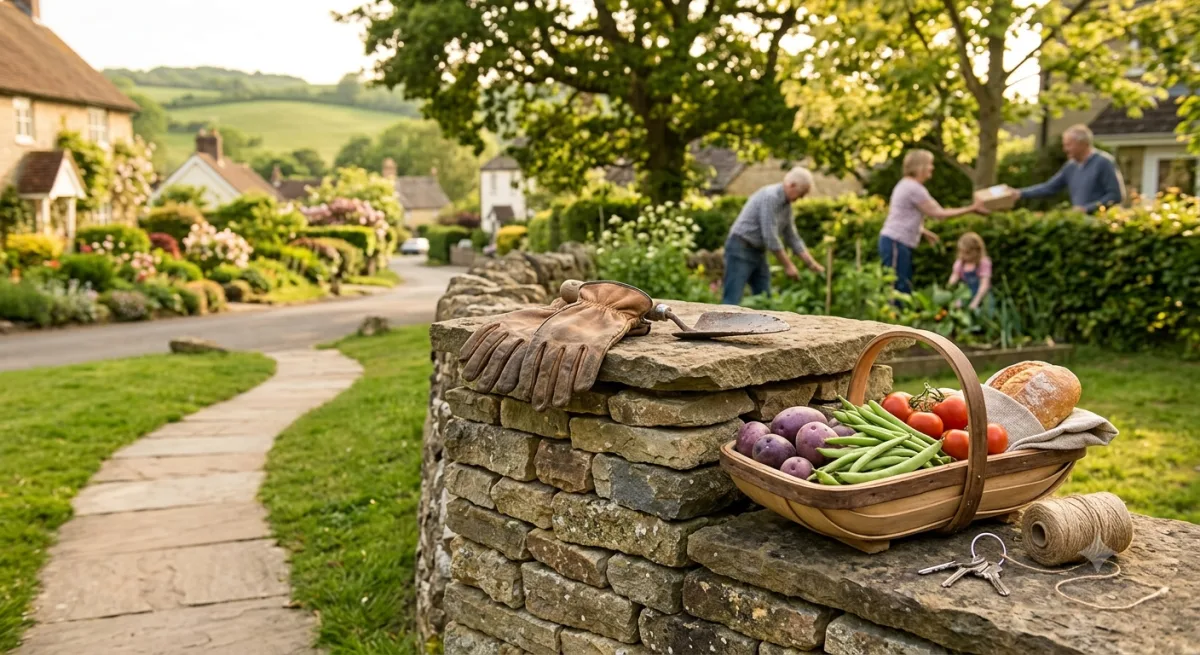
Organise a casual monthly skills swapping get together to save you and your neighbours paying for those little jobs that you can't do yourself
If you are spending every month staring at a negative bank balance, trying to figure out how to climb out of your overdraft without relying on more debt, the traditional advice can feel incredibly limited. Sometimes the maths just will not work until you stop looking at your banking app and start looking at your own street.
Much of the money bleeding out of a typical account goes towards basic daily services and maintenance. At the same time, most people have free time or practical skills that are currently going to waste. Shifting to an old-school bartering system with neighbours allows a borrower to trade skills for bills.
You can start small by looking at immediate, everyday costs. For example, you could offer to mow the lawn for a family next door in exchange for a couple of home-cooked meals a week, instantly cutting down your Sunday grocery run. Alternatively, you might help an elderly neighbour clear out their garage, and in return, ask a family member of theirs with mechanical skills to service your car.
None of these transactions involves a single pound changing hands, but they keep cash in your account that would have otherwise vanished. People are often surprisingly open to trading labour if it saves them time. Ultimately, it is much easier to chip away at an overdraft when you actively block the money from leaving your pocket in the first place.
Monthly "Skill Swap" chat in the garden, pavement or a living room
Perhaps the most natural method is to turn the trading into a brief monthly social routine by hosting a casual "Skills Swap" coffee morning right on the pavement or in a front garden. On the first Saturday of every month, neighbours can gather for forty-five minutes with a flask of tea, some cake, and a quick mental list of what they need help with over the coming weeks.
Because everyone is chatting face-to-face, matches happen instantly and organically; someone might mention they are struggling to fix a leaking garden tap, and the person standing next to them with a slice of lemon drizzle will offer to take a look in exchange for some help clearing their gutters next weekend.
It strips away all the awkwardness of asking for favours, requires absolutely zero technology, and transforms a practical money-saving exercise into a community event that people actually look forward to attending.
What if you don't have a skill to share
It is easy to look at a skills swap and feel completely unqualified if you are not a plumber, a mechanic, or a professional gardener. However, a bartering group is just as much about the willingness to learn as it is about existing expertise. If you turn up to a coffee morning empty-handed, the best thing you can offer is an enthusiastic pair of hands and an open mind. You can ask a neighbour if you can shadow them while they prune their fruit trees or mend a fence, offering your raw labour to do the heavy lifting in exchange for them teaching you the craft. By volunteering to be an apprentice for an afternoon, you are still providing valuable help, but you are also gaining a practical, money-saving skill that will serve you for the rest of your life. Ultimately, learning how to fix things yourself is the most sustainable way to permanently cut your living costs and protect your bank account from future strain.
Tools and materials can be expensive
Quite often people will have tools and materials like half used tins of paint just stored away in a garage or shed. These things can end up going to waste or rusting away, if not looked after. You may find that during a little chat, someone may have something the fits your needs.
If you borrow a tool, look after it and make sure you give it back as soon as the job is finished. Make sure it is as clear or cleaner than when they lent it to you.